
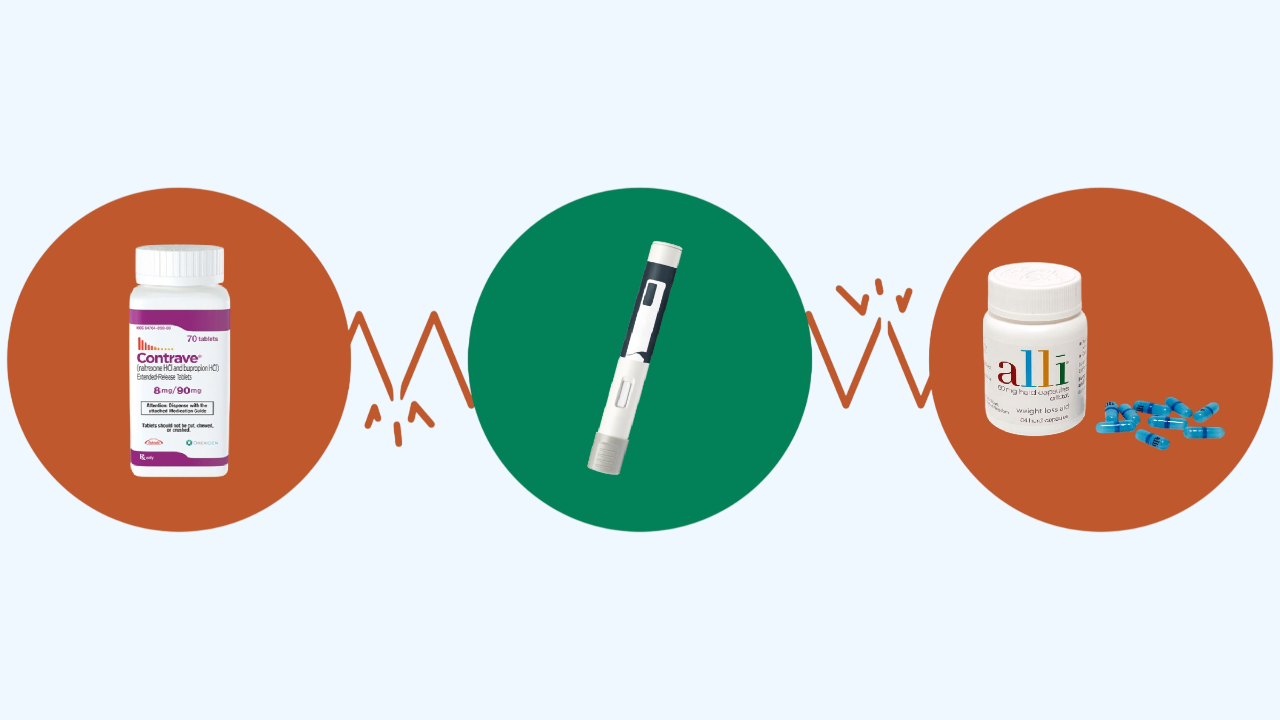
Managing weight can be hard, but FDA-approved prescription drugs offer a proven way to help people who can’t lose weight with diet and exercise alone. Since 2021, new drugs for long-term weight control like Wegovy (semaglutide), Saxenda (liraglutide), and Zepbound (tirzepatide) have helped people by reducing hunger and speeding up metabolism.
If you’re thinking about starting one of these treatments, comparing the best GLP-1 online programs can help you find safe, doctor-guided options that prescribe medications like semaglutide and tirzepatide from licensed pharmacies.
Studies show these science-backed prescription weight loss medications can help people lose up to 10% of their body weight when combined with healthy habits. Doctors prescribe these weight loss medicines to help people who are overweight or obese, especially those with health problems like diabetes or high blood pressure. Unlike store-bought options, these prescription weight loss drugs go through strict testing to make sure they are safe and work well. Each one comes with clear instructions on how to use it.
In this article, I’ll discuss seven FDA-approved weight loss drugs on the market, how these drugs work, their benefits, side effects, and how they fit into a complete weight loss plan. By knowing your options, you can make the best choice for your health—with your doctor’s help.
Overview of Weight Loss Drugs
Weight loss drugs are medicines that help people lose weight when diet and exercise aren’t enough. There are two main types: injectable drugs and oral pills. They work in different ways and are chosen based on a person’s needs and health. Many of these drugs are approved by the FDA, which ensures they are safe and effective for weight control.
Injectable Weight Loss Drugs
Injectable weight loss drugs are given through injections under the skin. They are popular because they help people lose a lot of weight. These injectable drugs work by copying natural body hormones that reduce hunger and slow down digestion. This helps people eat less and feel full longer. As a result, they consume fewer calories, which aids in weight loss. These weight loss drugs can also improve overall health by lowering blood sugar levels and improving blood pressure. Injectable drugs approved by the FDA have undergone rigorous testing to ensure they meet safety standards.
Oral Weight Loss Pills
Oral weight loss pills are taken by mouth and work in different ways to help with weight loss. Some pills stop the body from taking in fat from food, which reduces the calories you get. Others help control hunger and speed up metabolism by affecting the brain. Some pills mix different ingredients to make them more effective. You usually take these pills once or twice a day. The FDA approves oral pills after testing them for safety and effectiveness, making them trusted options for weight management along with healthy lifestyle changes.
7 FDA-Approved Weight Loss Drugs
1. Zepbound (Tirzepatide) – Most Effective FDA-Approved Injection for Weight Loss (Editor’s Choice)
Zepbound is a new FDA-approved weight loss drug, approved on November 8, 2023, that helps adults who are overweight or have obesity, especially those with health problems like sleep apnea.
It works by activating two hormone receptors in the body — GIP (glucose-dependent insulinotropic polypeptide) and GLP-1 (glucagon-like peptide-1). These hormones work together to reduce hunger, balance blood sugar, improve digestion, and promote long-term fat loss.
Because of its dual GIP and GLP-1 action, many experts now consider tirzepatide themost effective GLP-1 for weight loss based on current clinical evidences.
Zepbound contains tirzepatide, the same active ingredient found in Mounjaro, but it is specifically approved for weight loss and obstructive sleep apnea, while Mounjaro is for type 2 diabetes.
Clinical studies have shown significant results with Zepbound; for example, patients lost an average of about 48 pounds (20.9% of body weight) over 72 weeks compared to placebo.
This makes Zepbound one of the strongest appetite suppressants that work for long-term weight management and a powerful treatment for obesity and related conditions like sleep apnea.
- Approved For: Zepbound is approved for adults who are overweight or obese, particularly those with type 2 diabetes or heart disease.
- How It Works: Zepbound works by targeting two hormones that help control hunger and digestion, helping users feel fuller and eat less.
- Do Not Take If You Have These Conditions: You should not take Zepbound if you are pregnant or have a history of thyroid cancer.
- Side Effects: Common side effects of Zepbound include nausea, vomiting, diarrhea, constipation, and stomach discomfort. In studies, rare side effects have included pancreatitis and gallbladder problems.
2. Wegovy (Semaglutide): FDA-Approved Prescription Weight Loss Medication (Approved Year 2021) – Recommended for Lasting Weight Management
Wegovy (semaglutide) is an FDA-approved injectable prescription weight loss medication. It is a once-a-week shot that helps adults who are overweight or have obesity lose weight by controlling hunger and improving blood sugar. It works by increasing feelings of fullness and reducing hunger, making it easier to stick to a reduced-calorie diet and exercise routine. In clinical trials, participants lost an average of 15% of their body weight over a 68-week period when using Wegovy combined with lifestyle changes.
- Approved For: Wegovy is approved for adults and children aged 12 and older who are overweight or obese, especially those with type 2 diabetes or high blood pressure.
- How It Works: Wegovy makes you feel full and reduces hunger, making it easier to lower calorie intake.
- Avoid Use If You Have These Conditions: You should not take Wegovy if you have a history of thyroid cancer or are pregnant.
- Side Effects: Common side effects of Wegovy include nausea, vomiting, diarrhea, constipation, abdominal pain, and fatigue. There is also a rare risk of pancreatitis and depression.
3. Orlistat (Xenical, Alli): Prescription Weight Loss Drug (Approved in 1999)
Orlistat is a weight-loss medicine approved by the U.S. Food and Drug Administration (FDA). It functions by reducing the amount of dietary fat absorbed by the body. Orlistat is available in two forms: Xenical, which is a prescription medication, and Alli, an over-the-counter version. Both are typically taken three times a day with meals. To minimize gastrointestinal side effects, such as stomach issues, it is crucial to follow a low-fat diet while using orlistat.
In clinical trials, Orlistat has been shown to help people lose weight and lower their risk of developing type 2 diabetes. On average, people using Orlistat have reported a reduction in BMI, waist size, and bad cholesterol (LDL). Therefore, this weight loss medication can be very effective when combined with a healthy diet and exercise routine.
- Approved For: Orlistat is for adults and children aged 12 and older who are overweight or obese. It helps people with health issues like high blood pressure or high cholesterol. Orlistat works by reducing the fat your body absorbs from food. It should be used with a low-calorie diet and exercise plan.
- How It Works: Orlistat works by blocking enzymes in the digestive system that absorb fat. The fat you don’t absorb is then excreted through bowel movements. This prevents your body from taking in extra calories, contributing to weight loss.
- Avoid Use If You Have These Conditions: You should not take Orlistat if you are pregnant, have difficulty absorbing nutrients, have bile flow issues, or are allergic to Orlistat. Certain medications, such as cyclosporine and warfarin, may interact with this drug.
- Side Effects: Common side effects of Orlistat include fatty stools, gas, more bowel movements, and loose stools. These side effects can be alleviated by taking fiber supplements. In studies, serious liver problems are rare but can occur, so it’s important to follow your doctor’s instructions carefully.
4. Qsymia (Phentermine-Topiramate): Oral medications that are FDA-Approved for weight loss
Qsymia is a clinically-proven weight-loss medication that combines two drugs: phentermine, which reduces appetite, and topiramate, which helps control hunger. This combination works by making you feel less hungry and fuller for longer.
- Approved For: Qsymia is prescribed for adults and children aged 12 and older who are obese or overweight with health issues like high blood pressure, type 2 diabetes, or high cholesterol. It combines two drugs, phentermine and topiramate, to reduce appetite and help you feel full. When used with a healthy diet and exercise, about 70% of people taking Qsymia lost at least 5% of their body weight in one year
- How It Works: Phentermine affects the central nervous system to reduce hunger, while Topiramate enhances feelings of fullness. Together, they help individuals control calorie intake, resulting in weight loss.
- Avoid Use If You Have These Conditions: You should not take Qsymia if you are pregnant (due to birth defect risks), have glaucoma, hyperthyroidism, or are taking certain antidepressants.
- Side Effects: Side effects of Qsymia can include a faster heart rate, insomnia, dry mouth, tingling sensations, and changes in taste. In clinical studies, some children also experienced depression and muscle pain while using the drug.
5. Contrave – Prescription Weight Loss Pills & Medications
Contrave is a prescription weight-loss medication that combines two active ingredients: bupropion, an antidepressant, and naltrexone, an opioid blocker. Together, these drugs work to reduce appetite, control cravings, and help manage emotional eating. They also influence brain chemicals that regulate hunger and reward, making it easier to consume fewer calories. In clinical trials, participants who used Contrave combined with lifestyle changes lost an average of 12–18 pounds over 56 weeks
- Approved For: Contrave is approved for adults who are overweight or obese, especially those with related conditions like high blood pressure or diabetes.
- How It Works: Contrave works by changing brain pathways that control hunger and energy use, while Naltrexone helps reduce cravings by acting on the brain’s reward centers.
- Avoid Use If You Have These Conditions: You should not take Contrave if you have uncontrolled high blood pressure, seizure disorders, eating disorders (like bulimia or anorexia), or chronic opioid use.
- Side Effects: Common side effects include nausea, constipation, headaches, dizziness, dry mouth, and insomnia. Like other antidepressants, Contrave also has a warning about suicidal thoughts or behavior.
6. Saxenda (Liraglutide) : Injectable Weight-loss Drug
Saxenda (liraglutide) is an FDA-approved daily injectable medication for weight management. It helps reduce appetite, control cravings, and regulate blood sugar levels, making it easier to eat fewer calories. Saxenda works best when combined with a reduced-calorie diet and regular exercise. In clinical studies, participants who used Saxenda combined with lifestyle changes lost at least 5% of their body weight, with some even losing 10% or more
- Approved For: Saxenda is approved for adults and children aged 12 and older who are overweight or obese, particularly those with health problems like prediabetes or high blood pressure.
- How It Works: Saxenda works by slowing down digestion and helping you feel full, which reduces the number of calories you consume.
- Avoid Use If You Have These Conditions: You should not take Saxenda if you have a history of thyroid cancer, pancreatitis, or if you are pregnant.
- Side Effects: Nausea is the most common side effect, but it usually gets better with time. Other side effects include vomiting, diarrhea, constipation, and low blood sugar (especially in people with diabetes).
Who Can Use Prescription Weight-Loss Drugs
Prescription weight-loss drugs are usually given to people who are very overweight or those who weigh less but have health problems like diabetes or high blood pressure. Doctors often suggest trying diet and exercise first to see if these changes alone can help. These steps also show that a person is ready to make long-term changes, which are important for success.
Doctors prescribe these drugs for more than 12 weeks, helping people lose more weight than they would on their own.. They work in different ways, like making you feel less hungry, stopping your body from taking in fat, or helping you burn more energy. Doctors give these drugs when diet and exercise alone don’t work well enough. Some drugs, like Wegovy and Saxenda, work best when people use them for a long time and combine them with healthy habits like eating well and exercising regularly
Insurance coverage for weight-loss drugs is different for everyone. Doctors prescribe these drugs to treat conditions like diabetes, and Medicare Part D may cover them. However, doctors must confirm that these drugs are necessary for health reasons, as they are costly and not always covered by insurance.It’s important to talk to a doctor to find out the best treatment option and if insurance will help pay for it.
The FDA Approval Process for Weight Loss Medications
The U.S. Food and Drug Administration (FDA) has a strict process to make sure medications are safe and work well before they are sold. This process starts with preclinical testing in labs and on animals to check how the drug might affect humans. If the results look good, the drug company sends an Investigational New Drug (IND) application to the FDA, asking for permission to start testing on people.
Human trials happen in three steps:
- Phase 1: Tests safety and finds the right dose.
- Phase 2: Checks how well the drug works and looks for side effects.
- Phase 3: Confirms effectiveness and watches for more side effects in a larger group of people.
After these trials, the drug company submits a New Drug Application (NDA) to the FDA. The FDA reviews all the data, checks the drug’s safety and effectiveness, inspects manufacturing sites, and makes sure the label has clear instructions for doctors and patients.
Why FDA Approval Matters
FDA approval protects people by making sure medications are safe and effective. Here’s why it’s important:
- Safety Check: The FDA studies possible risks before and after approval to make sure a drug’s benefits are greater than its risks.
- Proof That It Works: Clinical trials confirm the drug helps the people it is meant for.
- Consumer Protection: Before FDA rules, companies could sell unsafe or useless drugs. Now, FDA approval makes sure every drug meets high standards.
- Global Trust: Many countries recognize FDA-approved drugs as safe and reliable, helping them reach more people worldwide.
The FDA approval process keeps medications safe while helping new treatments reach the people who need them.
How FDA-Approved Weight Loss Drugs Work
FDA-approved weight loss medications help people reach and maintain a healthy weight. They work by reducing hunger, slowing digestion, blocking fat absorption, and affecting metabolism. These medications are usually for those who haven’t lost enough weight with diet and exercise alone.
When combined with lifestyle changes, they can help you lose 3% to 12% of your body weight in a year. This can lead to major health benefits. You may see better blood sugar levels and lower blood pressure.
Here’s a closer look at how these prescription weight loss drugs work:
Appetite Suppressants
Prescription appetite suppressants affect brain chemicals to reduce hunger and make you feel full faster. For example, phentermine increases norepinephrine, a chemical that lowers appetite. These medications act on the nervous system to help people eat less by making them feel satisfied with smaller portions. Your body needs to feel full to stop eating, and these drugs help that happen sooner.
Fat Absorption Blockers
Ever wonder how some weight loss drugs stop fat from being absorbed? Fat blockers like orlistat (Xenical, Alli) lower the amount of fat the body takes in from food. They do this by stopping an enzyme called pancreatic lipase, which breaks down fat in the intestines. If the fat isn’t absorbed, it won’t add to weight gain. But this can cause side effects like oily stools, especially if you eat a lot of fat.
GLP-1 Receptor Agonists
GLP-1 receptor agonists are a newer type of weight loss drug that copies the effects of a natural hormone. These drugs, such as semaglutide (Wegovy) and liraglutide (Saxenda), make you feel full, reduce hunger, and slow digestion. This means you eat less and stay satisfied longer. Studies show that people using Ozempic (which has semaglutide) lost an average of 8 to 14 pounds.
To get GLP-1 medicines, you need a prescription from a doctor or nurse. This can be your regular doctor, a weight loss specialist, or a doctor you meet online (telemedicine). The doctor will check your health, talk about your weight goals, and decide if this medicine is right for you. Many clinics and trusted online healthcare providers can help you get these medicines.
If you want to try a GLP-1 medicine, start by talking to your doctor or looking for a trusted weight loss clinic or telehealth service. Your provider will tell you how to use the medicine safely and will check your progress.
Combination Medications
Some weight loss drugs use more than one method for better results.
- Phentermine-topiramate (Qsymia): A mix of an appetite suppressant and a drug that also lowers hunger.
- Naltrexone-bupropion (Contrave): A mix of an opioid blocker and an antidepressant that helps control cravings and may increase energy use.
These combination treatments often lead to greater weight loss than single drugs.
Other Weight Loss Medications
Some injectable drugs work in special ways. For example, setmelanotide (Imcivree) is made for rare genetic conditions that cause obesity. It affects brain signals that control hunger and how the body uses energy.
How Prescription Medications Help to Treat Overweight
FDA-approved prescription medications help in several ways:
- Reduce Appetite: These medications make you feel full longer and reduce cravings for high-calorie foods. This helps you eat less overall, which leads to a lower calorie intake. For example, if you feel full, you’re less likely to overeat or snack between meals.
- Slow Digestion: Some medications slow down how quickly your stomach empties. This helps prevent overeating and keeps you feeling full between meals. As a result, you’re less likely to snack excessively.
- Block Fat Absorption: Certain medications stop your body from absorbing fat from food. This reduces the calories you get from fatty foods, which is especially helpful if you struggle with high-fat diets.
- Boost Metabolism: These medications can improve how your body uses insulin and increase energy expenditure throughout the day. This metabolic boost can enhance your overall weight loss efforts.
- Support Healthy Habits: By reducing cravings and improving motivation, these medications make it easier to stick to a balanced diet and lifestyle changes. This helps you maintain long-term weight loss.
- Regulate Blood Sugar: Many of these medications help control blood sugar levels, especially for people with diabetes. This improves overall metabolic health and reduces the risk of diabetes-related complications.
Let your healthcare provider help you understand how these medications can support your weight loss journey.
Prescription Weight Loss Drugs Safety & Side Effects
Prescription weight loss drugs can help with weight management, but they also have risks and side effects. Knowing their safety and who should avoid them is important for making a smart choice. These medications work best when combined with healthy eating habits and regular exercise.
Common Side Effects
Most prescription weight loss drugs cause mild to moderate side effects, especially at first. These may include:
- Nausea, vomiting, and diarrhea: These are common, especially with GLP-1 receptor agonists like Saxenda and Wegovy. These FDA-approved drugs work by copying a hormone that helps control blood sugar levels and can cause stomach issues. Eating smaller meals and avoiding greasy foods may help manage these symptoms.
- Constipation: This can happen if you’re not drinking enough water. Staying hydrated and eating high-fiber foods can help prevent this issue.
- Dry mouth: This can occur due to changes in your body’s water balance. Drinking more water, chewing sugar-free gum, or sucking on ice chips can help relieve dry mouth.
- Headaches: Mild headaches are common but usually go away. If they don’t, see your doctor. Staying hydrated and getting enough rest can help reduce headaches.
- Increased heart rate: Some prescription weight loss drugs can raise your heart rate slightly. This is more common with stimulant-type pills. If you feel heart palpitations or dizziness, let your doctor know.
- Insomnia: Trouble sleeping can happen, especially if you take the pill too late in the day. Taking your medication in the morning may help reduce this effect. Avoiding caffeine in the afternoon can also help improve sleep.
These side effects often get better as your body adjusts. If they don’t, talk to your doctor about possible solutions or alternatives.
Serious Risks to Consider
Some prescription weight loss Medicines can cause serious health problems, including:
- High blood pressure and heart problems: These can be a risk, especially if you already have heart issues. Check your blood pressure regularly and talk to your doctor if you notice changes.
- Mood changes: Some people may feel anxious, irritable, or depressed. If your mood changes a lot or you have thoughts of self-harm, seek medical attention immediately.
- Liver or kidney problems: Though rare, some prescription weight loss medications can impact liver and kidney function. Regular blood tests can help monitor these risks.
- Pancreatitis: This is a risk with GLP-1 receptor agonists. Pancreatitis is a serious condition that requires immediate medical care if you experience severe stomach pain, nausea, vomiting, or a fever.
- Gallbladder problems: Some people may develop gallstones or other gallbladder issues. If you have severe stomach pain, especially in the upper right side, see a doctor.
If you have severe symptoms like chest pain, trouble breathing, swelling in the face or throat, or signs of an allergic reaction, seek emergency medical help immediately.
Who Should Avoid Prescription Medications for Weight Management
The FDA has approved prescription weight loss medications for many people, but they are not for everyone. Avoid them if you:
- Are pregnant or breastfeeding: These weight loss medications can affect your baby’s health and development.
- Have a history of certain cancers or genetic conditions (for GLP-1 and GIP/GLP-1 receptor agonists): This includes medullary thyroid cancer or Multiple Endocrine Neoplasia syndrome type 2.
- Have heart disease or high blood pressure: Some weight Loss drugs & injections can make these conditions worse. Talk to your doctor about safer alternatives.
- Have severe anxiety or mood disorders: Some weight-loss medications can affect mood and increase anxiety or depression.
- Have a history of eating disorders or substance abuse: Certain medications can be habit-forming or trigger unhealthy eating behaviors.
Always tell your doctor about any health issues, medications, or supplements you are taking before starting a prescription weight loss drug. This helps ensure your safety and the effectiveness of the treatment.
How to Use These Medications Safely
To get the best results and reduce risks:
- Follow your doctor’s instructions for dosage and use. Taking them correctly is important for safety and effectiveness.
- Eat a balanced diet and exercise regularly to enhance weight loss and maintain long-term health. These medications work best when combined with healthy lifestyle habits.
- Pay attention to side effects and tell your doctor if they happen. Regular check-ins can help manage side effects and adjust treatment as needed.
- Avoid long-term use unless your doctor recommends it. Some prescription weight loss pills are only for short-term use to minimize risks.
- Be ready for early side effects with newer injectable pills like Wegovy or Zepbound. They often get better over time. Starting with a low dose and gradually increasing it can help make side effects more manageable.
With prescription weight loss pills, you can lose weight safely if you use them correctly under medical supervision. Always talk to your doctor to make sure they are the right choice for your health and weight loss goals. Remember, long-term success comes from a combination of medication, healthy eating, physical activity, and lifestyle changes.
Comparing with OTC and Other Medicines
When it comes to weight loss products, not all options are created equal. Understanding the differences between FDA-approved prescription medications, over-the-counter (OTC) products, and unregulated supplements is crucial for your safety and success. Here’s a clear breakdown to help you make informed choices:
| Feature | FDA-Approved Prescription Pills | OTC Weight Loss Products | Unregulated/Unapproved Products |
|---|---|---|---|
| Regulation | Strictly regulated by the FDA | Limited regulation | No regulation |
| Safety Testing | Rigorous clinical trials | Minimal or no testing | No testing |
| Effectiveness | Proven to aid weight loss | May lack scientific evidence | Unproven or false claims |
| Doctor Supervision | Prescribed and monitored by a doctor | No medical supervision | No medical supervision |
| Risks | Known side effects, monitored by a doctor | Potential side effects, less oversight | High risk of harmful ingredients |
FDA-Approved Prescription Weight Loss Drugs
- Rigorous Testing: Before the FDA approves these drugs, they go through thorough clinical trials. This means they are tested on real people to check if they are safe and effective.
- Doctor Supervision: These drugs are only available through a doctor’s prescription. Your doctor will closely monitor your progress and adjust the treatment if needed. This ensures you’re getting the right care.
- Targeted Use: FDA-approved prescription weight loss drugs are designed for people who have obesity or other health conditions related to their weight. They are not meant for everyone.
- Proven Results: Studies have shown that these prescription medications can help with weight loss, but they work best when combined with healthy eating and exercise. They are a tool to help you reach your weight loss goals.
Over-the-Counter (OTC) Weight Loss Medications
- Limited Regulation: OTC appetite suppressants don’t have to meet the same strict standards as prescription medications. They don’t always go through the same level of testing to prove they are safe or effective.
- General Use: OTC weight loss diet pills are available to anyone without a prescription. This makes them easy to access, but they may not be the right fit for everyone, especially those with specific health conditions.
- Varied Ingredients: These products often contain a mix of herbs, vitamins, and stimulants. While some of these ingredients might help with weight loss, there’s not as much strong scientific proof that they work for everyone.
- Potential Risks: Some Nonprescription Weight Loss products can cause unwanted side effects. They might also interact with other medications you’re taking, so it’s important to be cautious. Talk to your doctor before trying them.
Benefits of Using Prescription Weight Loss Medicine
Prescription weight loss medications have many benefits. They can reduce hunger and help the heart, kidneys, and liver. Research shows they might also help with conditions like polycystic ovary syndrome, depression, Alzheimer’s, Parkinson’s disease, and substance use problems. They aren’t a replacement for a healthy lifestyle. But using them with a healthy routine can bring big benefits. Here’s how they can help.
- Helps You Lose Weight Faster
Prescription medications can help you lose weight more effectively than just diet and exercise alone. On average, adults who use weight loss medications as part of a lifestyle program lose 3% to 12% more of their starting weight over the course of a year than those who do not use medications. Some people even lose 10% or more of their body weight with certain medications. - Improves Health
Losing weight with prescription weight loss medications can have a big impact on your health. Even losing just 5% to 10% of your starting body weight can lead to significant health improvements, including:
Lower blood sugar: This is especially helpful for people with type 2 diabetes.
Reduced blood pressure: Losing weight helps lower your risk of heart disease and stroke.
Lower triglyceride levels: Reduces the risk of heart problems.
Relief from joint pain and sleep apnea: Weight loss can help with common health issues related to obesity.
- Increases Your Chances of Losing a Significant Amount of Weight
Research shows that some people taking prescription weight loss medications lose 10% or more of their starting body weight. This is especially true with certain medications, where more than half of participants experience this level of weight loss. This can make a big difference in improving overall health and quality of life. - Reduces Hunger
Some prescription appetite suppressant help control your appetite, making it easier to stick to a calorie-controlled diet. These medications can help you eat fewer calories, which aids in weight loss. This can be especially beneficial for people who struggle with constant hunger or cravings. - Improves How Your Body Uses Fat
Certain weight loss medications can improve the way your body processes fat or uses insulin. This can be particularly helpful for people dealing with insulin resistance or metabolic syndrome. By improving metabolic function, these medications make it easier to lose weight and maintain a healthy weight. - Keeps Weight Off Long-Term
One of the hardest parts of weight loss is maintaining it. Prescription medications can help you keep the weight off, especially in the first six months of use, which is when most of the weight loss happens. However, long-term success still requires a commitment to healthy eating, regular exercise, and lifestyle changes. - Boosts Confidence and Mental Health
Losing weight can also have psychological benefits. As people lose weight, they often feel better about themselves, which can improve confidence and mental health. This can help people feel more positive and motivated to continue their weight loss journey. - Helps with Obesity-Related Health Issues
Losing just 5% to 10% of your starting weight can help relieve or improve health problems related to obesity, such as joint pain, sleep apnea, and even some forms of arthritis. Prescription weight loss medications can provide additional support in managing these conditions.
Faqs
How Fast Do FDA-Approved Weight-Loss Drugs Work?
When combined with a healthy diet and exercise, FDA-approved weight-loss drugs can help you lose 3% to 12% of your body weight in a year. The amount of weight you lose depends on the medication, your starting weight, and how well you follow the lifestyle changes. You may see some weight loss in the first few weeks, but the full effect is usually seen in 6 to 12 months.
How Long Should I Take a Weight-Loss Drug?
How long you take a weight-loss drug depends on your doctor. It can be for a few months or longer, based on your health, progress, and how you respond to the medication. Your doctor will monitor your results and decide if you should keep using the drug or make changes.
When Will My Doctor Recommend Weight-Loss Pills?
Doctors usually typically recommend prescription weight-loss pills for adults with a Body Mass Index (BMI) of 30 or more, which means they are obese. They also prescribe these pills for people with a BMI of 27 or more who have health problems like diabetes, high blood pressure, or sleep apnea. They usually prescribe these pills after people have tried eating well and exercising without much success. Sometimes, doctors prescribe them to help reduce health risks linked to being overweight.

Anthony
Anthony Khoo is an Accredited Practising Dietitian and a Certified Specialist in Obesity and Weight Management (CSOWM), with over 10 years of experience helping people lose weight and live healthier lives. He combines nutrition and exercise to create long-lasting results for his clients. Anthony is passionate about fitness and health, using his knowledge in dieting and exercise to help people make better choices and take action toward their wellness goals. In addition to his work as a dietitian, Anthony Khoo is also a personal trainer and has spent 10 years learning the art of boxing, which adds to his complete approach to fitness and health. On checkweightloss.com, Anthony Khoo shares helpful tips and advice on weight management and living a healthy life. His goal is to offer practical, science-backed advice that helps people make smarter decisions about their diet, exercise, and overall health.